It's Up To You, New York...
I am back in New York for the season. I was fortunate to spend most of the Winter in Miami Beach, Florida, where the weather was mostly amazing, with bright sunshine, soothing warmth, and plenty of palm trees. The contrast between Florida and New York is striking. In New York, you find constant honking, horrible interactions on the subway, aggressive panhandling, and too much garbage on the streets, to name a few. Nonetheless, I love the action, at least some of the time.
New York is a city where you can always pretty much do whatever activity you want, whenever you want. You want to go see a world-class production of ballet, orchestra, or theater, no problem. You want to go for a late-night meal of some obscure cuisine, easy to choose from a plethora of options.
I was driving through the city last night, stuck in brutal traffic caused by police activity surrounding a “protest” (harassment) outside an Upper East Side synagogue by a pro-Palestinian group. Unfortunately, New York elected a mayor whose North Star is anti-Israel (or worse) and who has openly vilified wealthy residents and even non-residents like Ken Griffin. I am disappointed my fellow New Yorkers made this, admittedly democratic, choice. And yet, I still love New York, or at least much of it. My relationship with the city increasingly feels a bit like my relationship with Kanye West: I enjoy his music, while being offended by his statements, behavior, and cultural impact. I dedicate this Loupe to complicated choices.
Giant
Theater
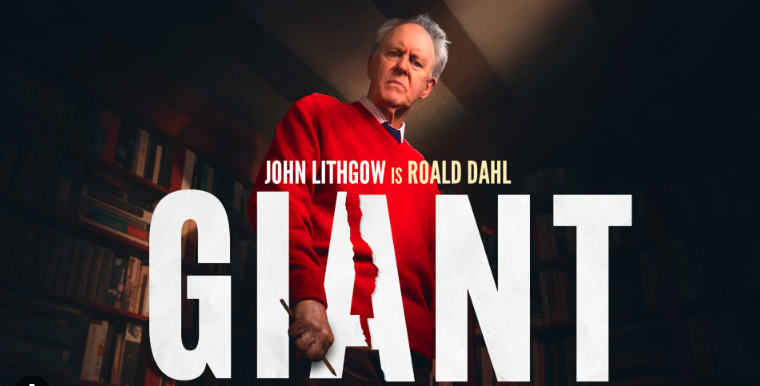
Roald Dahl was an incredible author who largely shaped my childhood with his books, including those adapted into movies. I was (mistakenly) cast as the silk worm in my 4th-grade play Jane and the Giant Peach; it was Jane, not James, because the girls were incredible talents, one of whom would go on to become a Broadway star! The 1971 version of Willy Wonka and the Chocolate Factory starring Gene Wilder may have been my all-time favorite movie as a kid, a movie I never turn off and still cherish. My daughter Quinn even tried out for a role in the US version of Matilda, after we had seen it in London. Let's just say he was a very big part of my life and my family's. What I did not know is that he was an anti-semite, and therefore, there will always be an asterisk next to his name, and a question mark in my head. Nonetheless, this is an excellent production, with that antisemitism on full display, performed wonderfully by John Lithgow. It covers a single day in his life with a visit by his British publisher and New York agent, both of whom are Jews, trying to convince him to change. While I am mixed about the play's writing, it is something everyone should see and judge for themselves. The show runs until the end of May, so you'd better hurry up!
The Secret Life of Roald Dahl
Podcast
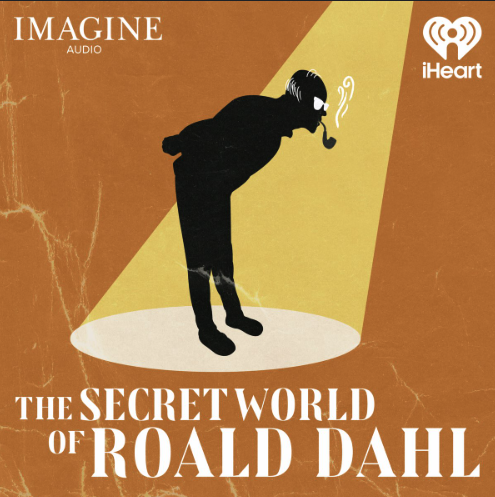
I wasn't done with this rabbit hole after seeing Giant, which covered a few hours of his life. I wanted (needed?) more context and understanding. The very same cousin and fellow Louper, Anne K., who brought me to the show, Giant, also sent me this podcast. OMG, it was incredible, and I can't recommend it enough. The production, the writing, and the performance were all great, but the details of Roald Dahl's life towered over it all. There is so much that I didn't know about Roald Dahl; incredibly, his unmatched success as a children's book writer may have been the least interesting thing of all. I do not want to provide spoilers here, so I will let you discover it on your own. If you don't plan to listen, just go to his Wiki page. Nonetheless, you won't be disappointed, and you might not be able to stop listening through 11 episodes totaling over 7 hours (5.5 hours at 1.3x speed!). I think the author and narrator, Aaron Tracy, does a very good job, although he sometimes uses presentism to his detriment.
Monsters: A Fan’s Dilemma by Claire Dederer
Book
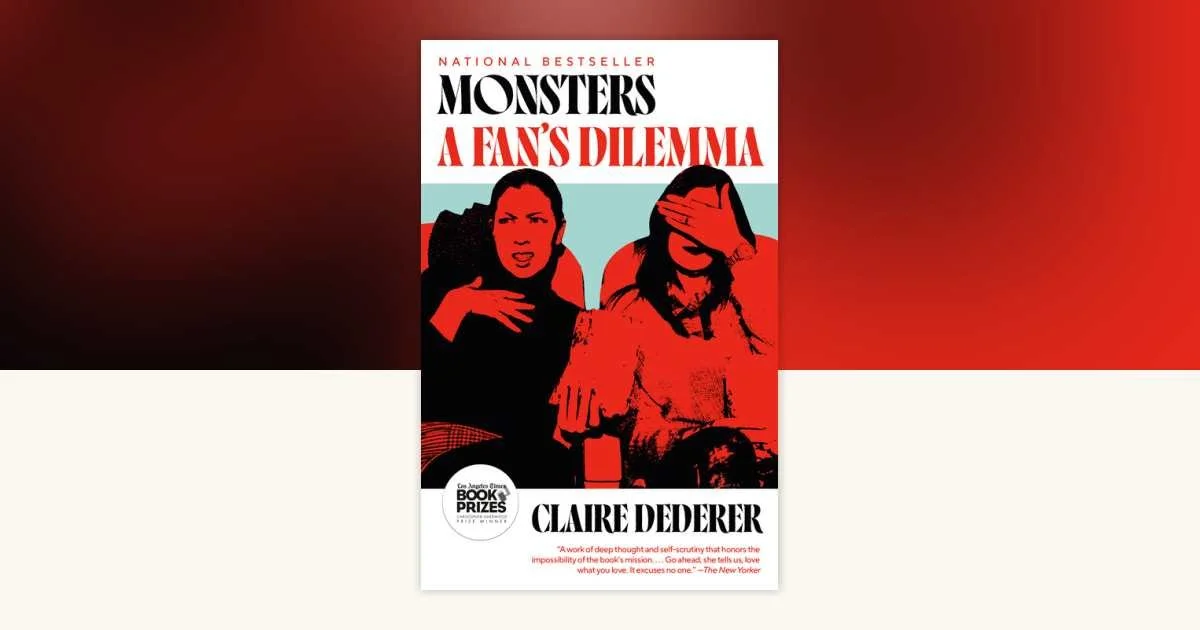
I felt like this book was the perfect final stop in my unexpected Roald Dahl rabbit hole (it was introduced in the Podcast). After seeing Giant and binging The Secret World of Roald Dahl, I found myself wrestling with the same question at the center of Dederer’s book: what do we do with artists whose work we love but whose behavior or beliefs we find disturbing?
The book does not offer easy answers, which is probably why I liked it. Dederer explores the uncomfortable gray area between admiration and disgust, especially when art becomes deeply tied to our memories and identity. That tension certainly applies to Roald Dahl for me. His stories and movies were woven into my childhood and later into my family’s life as well. Learning about his antisemitism does not erase that, but it undeniably changes it.
Which brings me back to New York, Kanye, Dahl, and all the other difficult contradictions that seem to define modern life, especially in a big city. We want purity from artists, politicians, cities, institutions, and even from ourselves, but the world stubbornly refuses to cooperate, and we are left to decide how and when to act. Consider Giant, The Secret Life of Roald Dahl, and Monsters found.